
Introducing the Next Frontier in Fertility Medicine
Exosome Therapy for Ovarian Regeneration
At our clinic, we are committed to bringing the most advanced, science-driven fertility innovations to women seeking to extend or restore their reproductive potential. We are proud to introduce Mesenchymal Stem Cell–Derived Exosome Therapy, a groundbreaking, minimally invasive approach designed to support ovarian rejuvenation and fertility restoration.
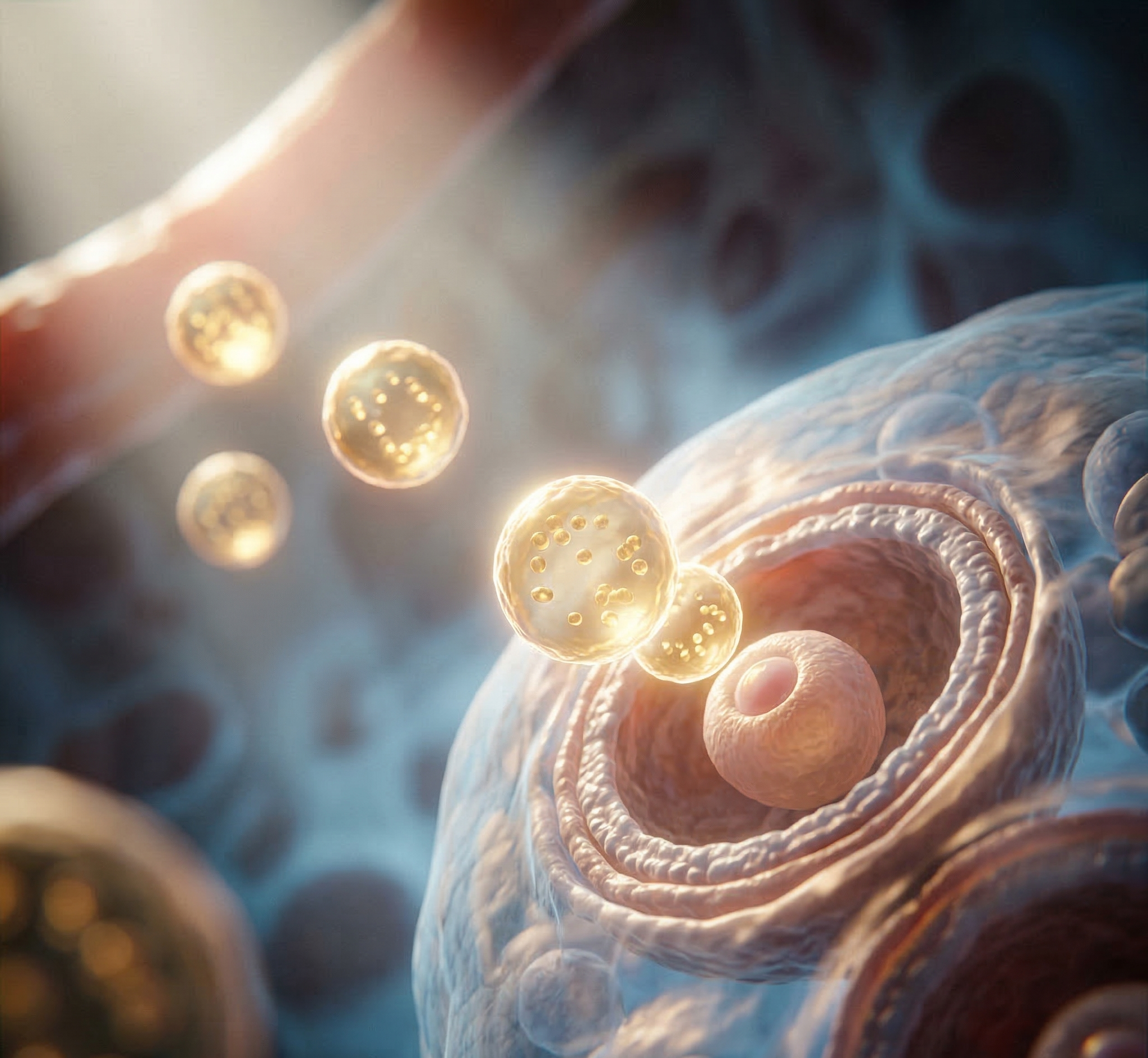
Exosomes are microscopic signaling vesicles released by stem cells that act as powerful biological messengers within the body. Rather than introducing live stem cells, this therapy harnesses the regenerative communication signals produced by stem cells, delivering targeted molecular instructions that help repair and revitalize ovarian tissue.
How Exosome Therapy Supports Ovarian Health
Exosomes derived from adipose stem cells (hADSC-Exos) or umbilical cord stem cells (hUCMSC-Exos) carry specialized microRNAs, including miR-146a-5p and miR-21-5p—that work at a cellular level to restore ovarian function. These signals help:
Reduce ovarian inflammation by modulating the NLRP3 inflammasome pathway
Decrease cellular stress and apoptosis (programmed cell death)
Promote follicle growth and development
Improve the environment for healthy oocyte maturation
Evidence-Backed Regenerative Potential
Preclinical research has demonstrated remarkable outcomes in models of Premature Ovarian Insufficiency (POI), including:
• Increased follicle counts
• Restoration of natural ovarian cycles
• Improved egg quality
• Successful pregnancies in previously infertile patients
These findings highlight the extraordinary regenerative potential of exosome therapy in restoring ovarian function and improving reproductive outcomes.
Why Exosomes?
Compared to traditional stem cell therapies, exosome therapy offers several key advantages:
Minimally invasive treatment approach
No live cell transplantation, reducing immune risk
Greater biological stability and safety profile
Highly targeted regenerative signaling
Why Ovarian PRP + Exosome?
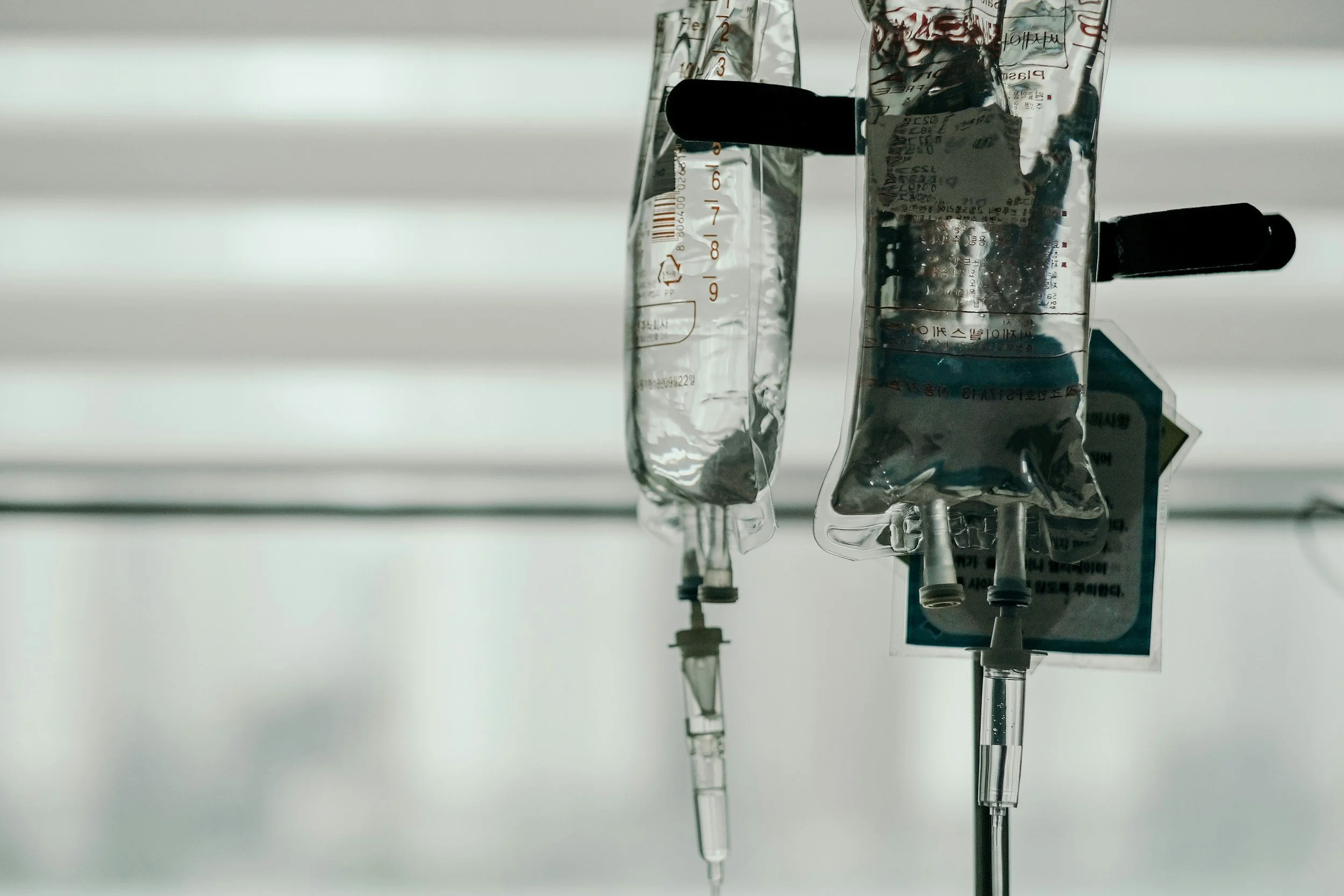
Combining exosome therapy with Platelet-Rich Plasma (PRP) may enhance ovarian regeneration by pairing powerful cellular signaling molecules with the body’s own natural growth factors.
Direct Instillation of PRP into the ovary, PRP delivers concentrated regenerative proteins derived from the patient’s blood, while exosomes provide targeted molecular signals that support cellular repair and tissue renewal.
Together, these therapies may help improve ovarian function by:
Stimulating follicle activity
Supporting tissue repair
Enhancing ovarian microcirculation
Improving the environment for healthy oocyte development
Treatment Experience
Patients have their blood drare given anesthisia and then SHOULD BE BLOOD DRAWN
Preparation: Blood is drawn for the PRP and then IV sedation is administered to ensure comfort.
PRP Injection: PRP and Exoxome is injected into the ovaries, similar to an egg retrieval process in IVF.
Recovery: After the injection, a short recovery period follows, most patients experience cramping. Rarely patients request post-op pain medication. You can go home about an hour post-procedure, accompanied by a family member or friend. You are not allowed to drive post this procedure.
Why Exosome IV Therapy?
Compared to traditional stem cell therapies, exosome-based treatments offer several key advantages:
No live stem cell transplantation, reducing immune-related risks
Greater biological stability and safety profile
Advanced regenerative signaling that supports tissue repair
Treatment Experience
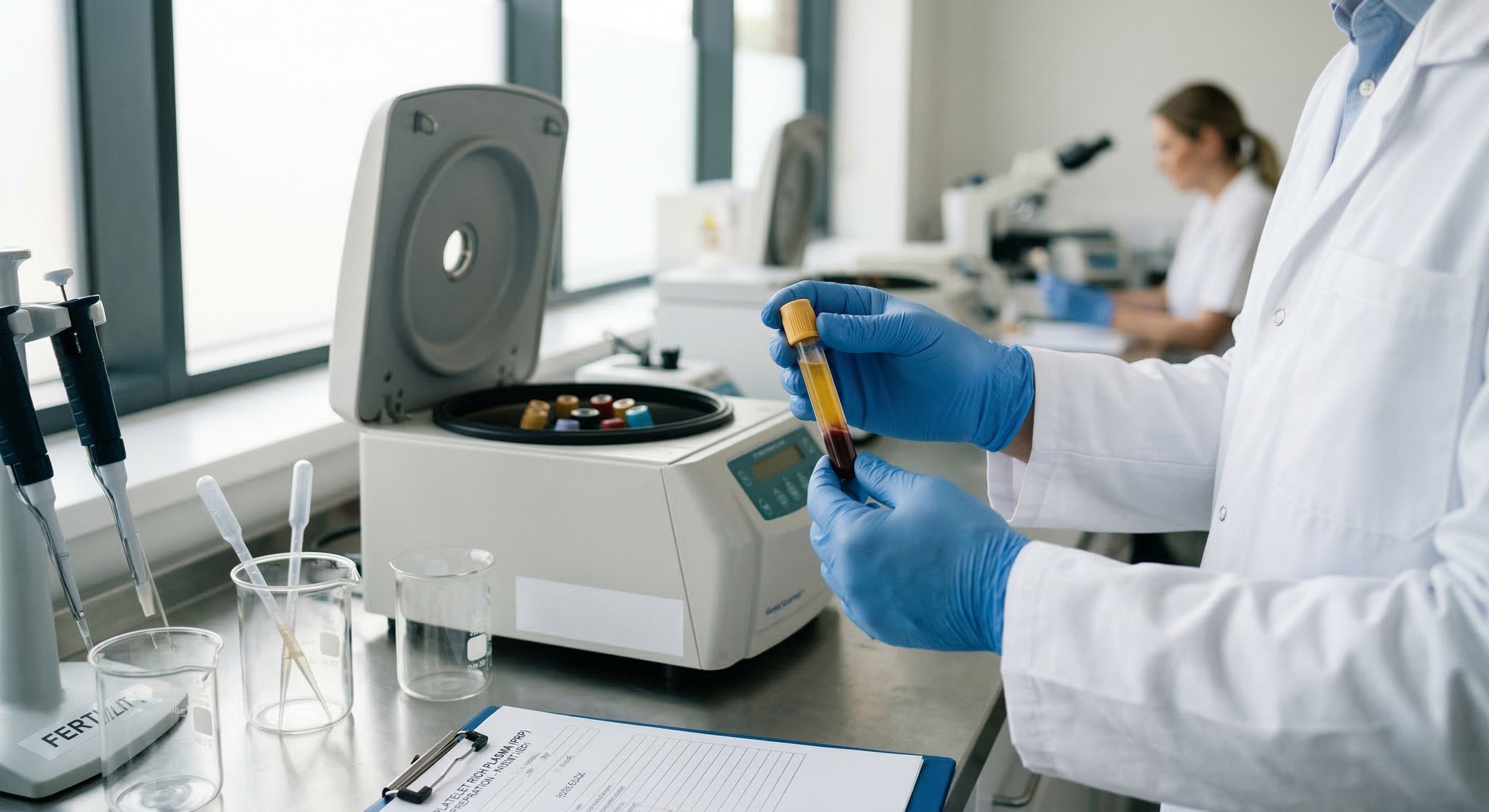
Exosome therapy is delivered through an intravenous infusion, allowing these powerful regenerative signals to circulate systemically and reach ovarian tissue through the body’s natural biological pathways.
Each protocol is carefully personalized, based on a patient’s reproductive goals, ovarian reserve, medical history, and overall wellness.

A New Era in Fertility Restoration
For women experiencing Premature Ovarian Insufficiency, age-related ovarian decline, or ovarian damage following chemotherapy, exosome therapy represents a powerful emerging option in reproductive medicine.
While research continues to evolve, early evidence suggests this technology may help restore ovarian vitality, improve egg quality, and potentially extend reproductive longevity.
The future of fertility is regenerative—and it’s arriving now.
Our clinic is proud to be at the forefront of this transformative advancement in reproductive care.
If you would like to learn more about whether Exosome Ovarian Regeneration Therapy may be right for you, our specialists would be honored to guide you through the next steps.
Medical Articles
Comparative analysis of the use of autologous exosomes and platelet-derived growth factors in women with premature ovarian insufficiency and infertility: A prospective, randomized, observational, analytical study
After completing the study, it was found that women in the Autologous Exosome group showed better ovarian reserve parameters such as FSH, LH, Estradiol, Anti-Müllerian Hormone and antral follicle count, edema of more oocytes collected in Metaphase II, higher fertilization rate, frozen embryos and positive pregnancies.
P-795 Intraovarian HucMSC-exosome treatment as an effective method to reactivate ovarian function and enhance follicular production in patients of advanced maternal age
HucMSC-exosomes administration increased mature oocyte yields and blastocyst development, indicating enhanced ovarian response and potential fertility improvement in advanced maternal age women.